From cows near festival sites to stranded artists: unusual risks behind events
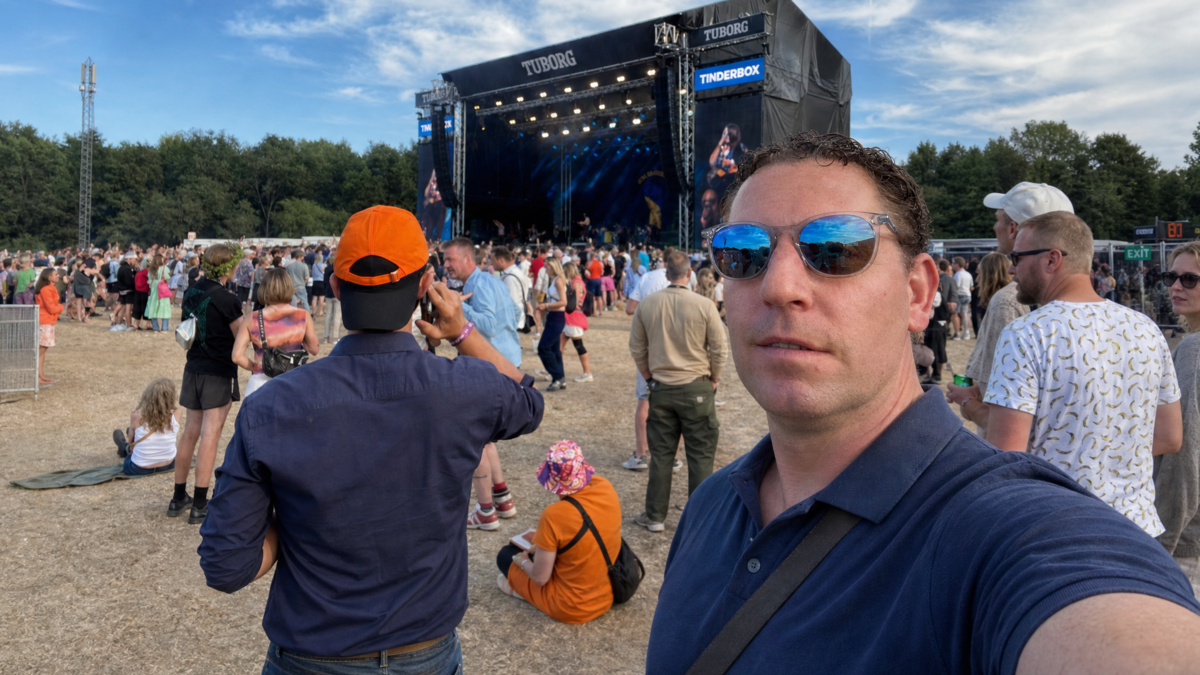
Visiting a festival is simple: buy a ticket, grab a drink and enjoy the music. But behind the scenes, a completely different world is at work. A world where a farmer worries about his cows, an artist is stranded in Stockholm and someone decides to place fireworks next to a kerosene storage area. Welcome to the reality of event insurance.
According to Maarten van Denderen, co-founder of No Risk, people often underestimate how complex events really are. Unlike regular businesses, festivals and events often take place at temporary locations that were never originally designed to welcome thousands of visitors. That creates risks that do not always fit neatly into standard scenarios.
Not every risk appears on the festival map
Some risks are obvious. Think of bad weather, technical problems or an artist who has to cancel. Other risks are far less predictable. No Risk once dealt with a festival next to a farm. The owner was concerned about the impact of the music on his livestock. What if the cows became stressed and produced less milk? And what could that mean for their health? A similar situation arose near a chicken shed, where the question was what effect loud music might have on animals in the immediate area. These examples show that event risks often go far beyond visitors, artists or weather conditions.
Sometimes risks only come to light when an event is about to start. During a visit to a festival in Romania, someone noticed a remarkable object behind the stage. After inspection, it turned out to be a kerosene storage area, right next to a fireworks installation. The conclusion left little room for debate: it had to be changed immediately.
A race against time in Stockholm
Logistical challenges can also have major consequences. One of the most striking examples involved an artist who, the day before his performance at the Ziggo Dome, became stranded in Stockholm after his flight was cancelled. While thousands of visitors were getting ready for the concert, the clock was ticking.
Maarten was travelling himself at the time and was about to board his own flight within minutes. Even so, action was needed immediately. From the airport, every possible scenario was explored. When it became clear that commercial flights were no longer an option, only one solution remained: a private flight. Not an obvious choice, but the only way to make sure the performance could go ahead.
That is exactly what makes the events world so unique. No two days are the same, and no risk can ever be predicted completely. According to Maarten, that is why insuring events is not only about policies and conditions, but above all about creativity, experience and the ability to find solutions under pressure.